

Monterey 1000 Monterey 1000

Inspired by America 250, the 2026 commemoration of the nation’s founding, Monterey 1000 expands the story to honor the histories that long predate the United States.
Spanning a thousand years, this ongoing series explores the people, cultures, and defining moments shaped by land and sea—from Indigenous roots and early exploration to artistic movements, a working waterfront, and milestones still unfolding today.
Each chapter connects Monterey’s past to the destination we experience now, revealing one continuous story. New entries will be added monthly. Follow See Monterey on Instagram and Facebook for updates.
Indigenous History & Stewardship
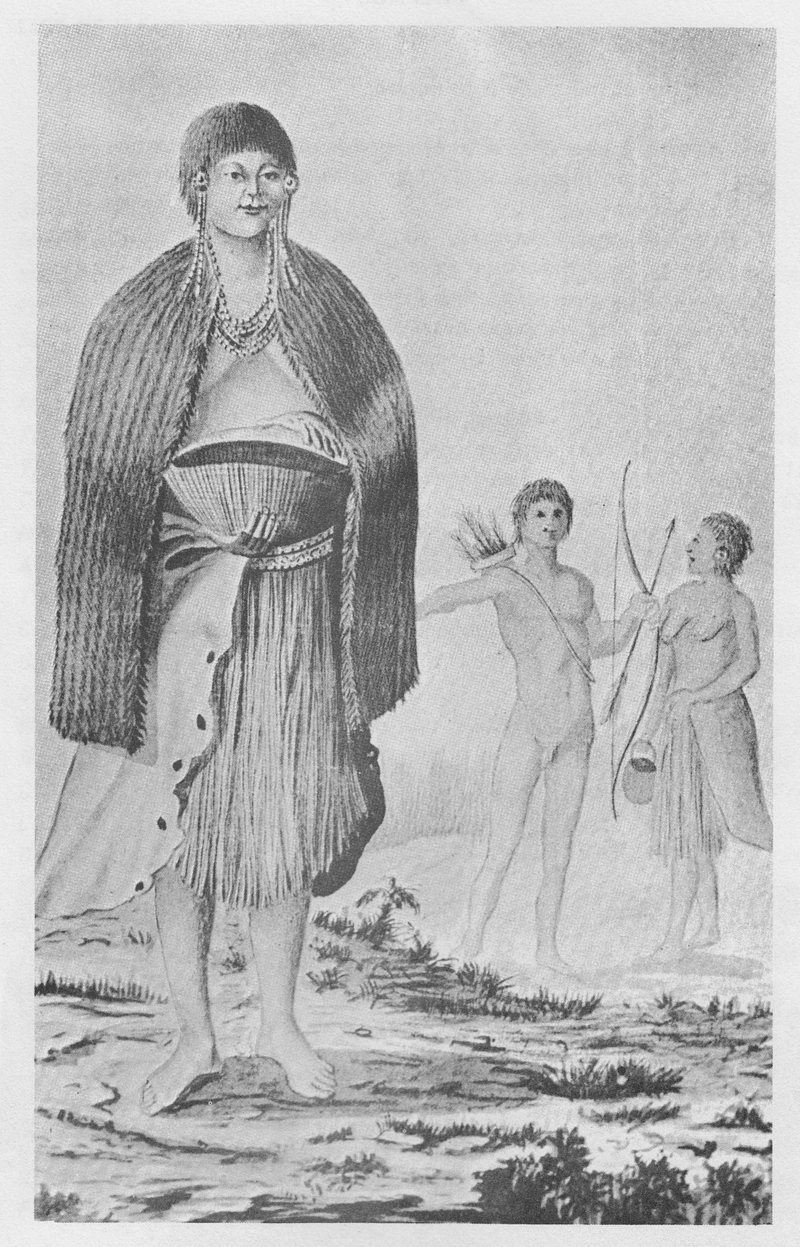
Monterey County is the ancestral homeland of the Esselen, Salinan and Rumsen Ohlone peoples, who have stewarded this land for thousands of years—and continue to do so today. Across this landscape, numerous villages were established, including Achasta—now known as Monterey—Jojopan near present-day Big Sur and Tucutnut along the Carmel River. These villages were centers of craft, storytelling and cultural exchange. Pictured: Monterey Natives by Jose Cordero
Jurisdiction: Big Sur, Carmel Valley, Monterey, Pacific GroveLearn More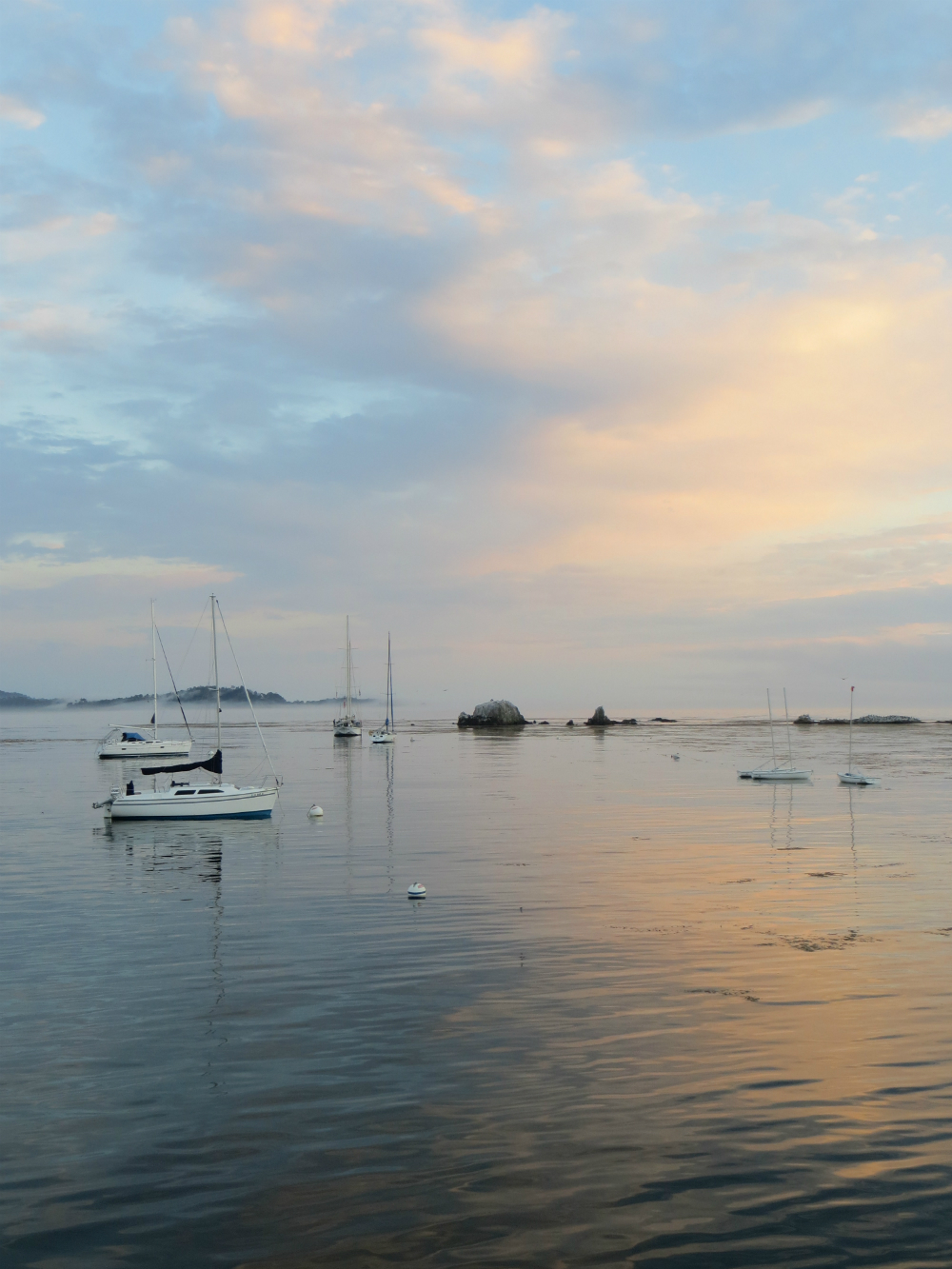
Bahía de los Pinos (The Bay of Pines)
Portuguese explorer Juan Rodríguez Cabrillo sailed north along California’s coast on behalf of Spain, becoming the first European to record the region. As he passed the central coast, he noted a sheltered, pine-lined bay—naming it Bahía de los Pinos (Bay of Pines), but did not land, leaving only a brief description on his charts. For decades, his account remained the primary European reference to the area.
Jurisdiction: Moss Landing, Monterey, Big SurLearn More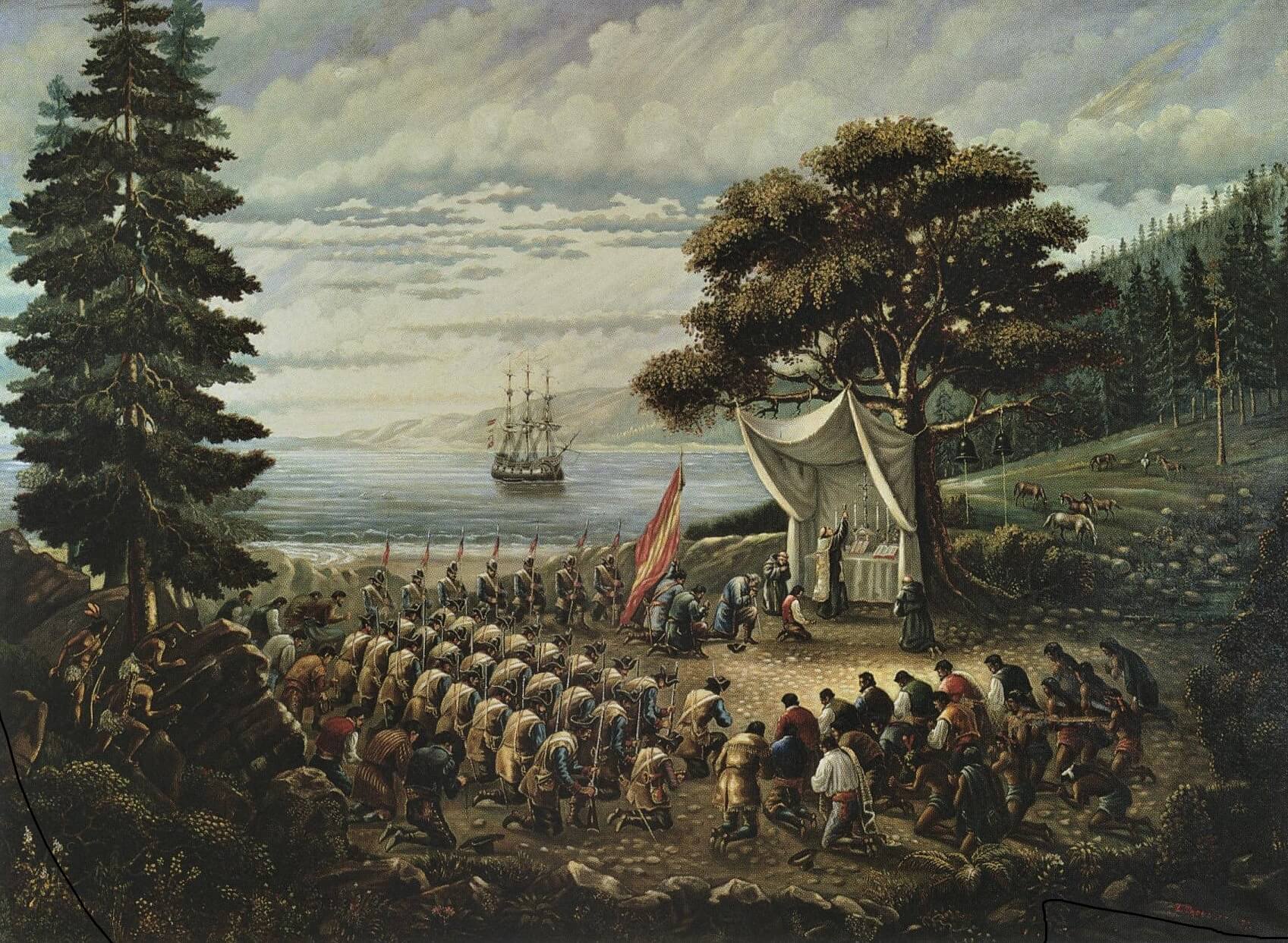
Vizcaíno Names Monterey
Step into the origins of Monterey, where Spanish exploration and settlement shaped California’s early history.
Jurisdiction: Monterey, Pacific Grove, Carmel-by-the-SeaLearn More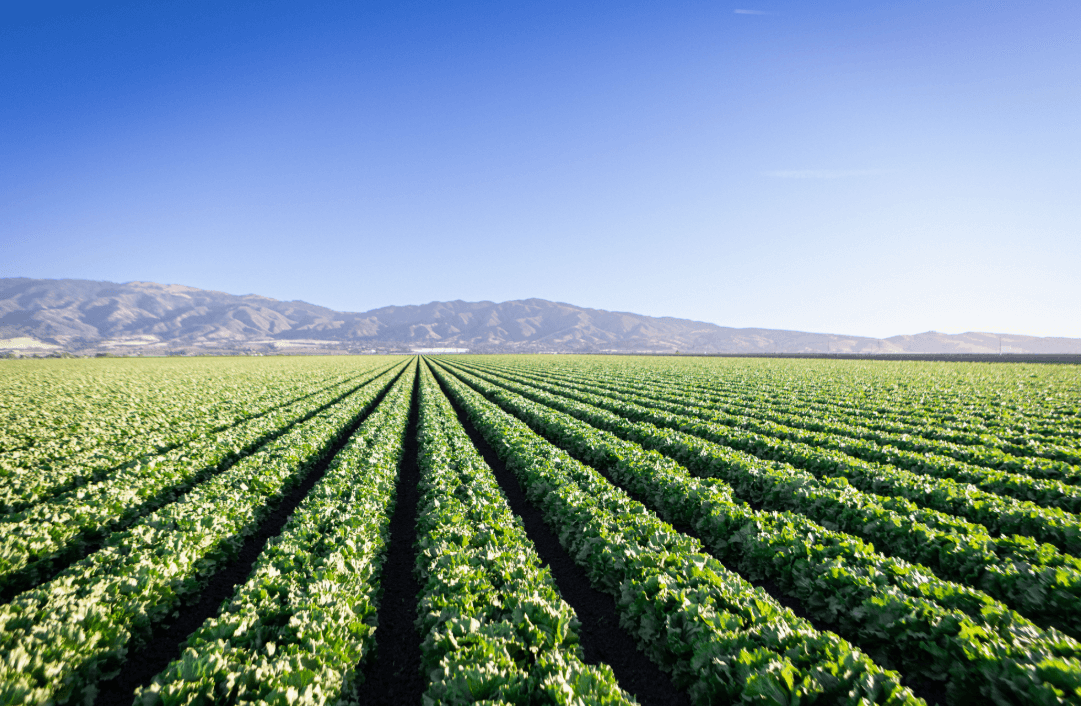
Monterey County Firsts
Monterey County has played a pivotal role in California’s story, serving as the birthplace of many of the state’s earliest milestones. From the first capital, constitutional convention and newspaper to early cultural, religious and civic institutions, the region was a hub of “firsts” that helped shape California’s identity, cementing Monterey’s legacy as a cornerstone of the state’s history.
Learn More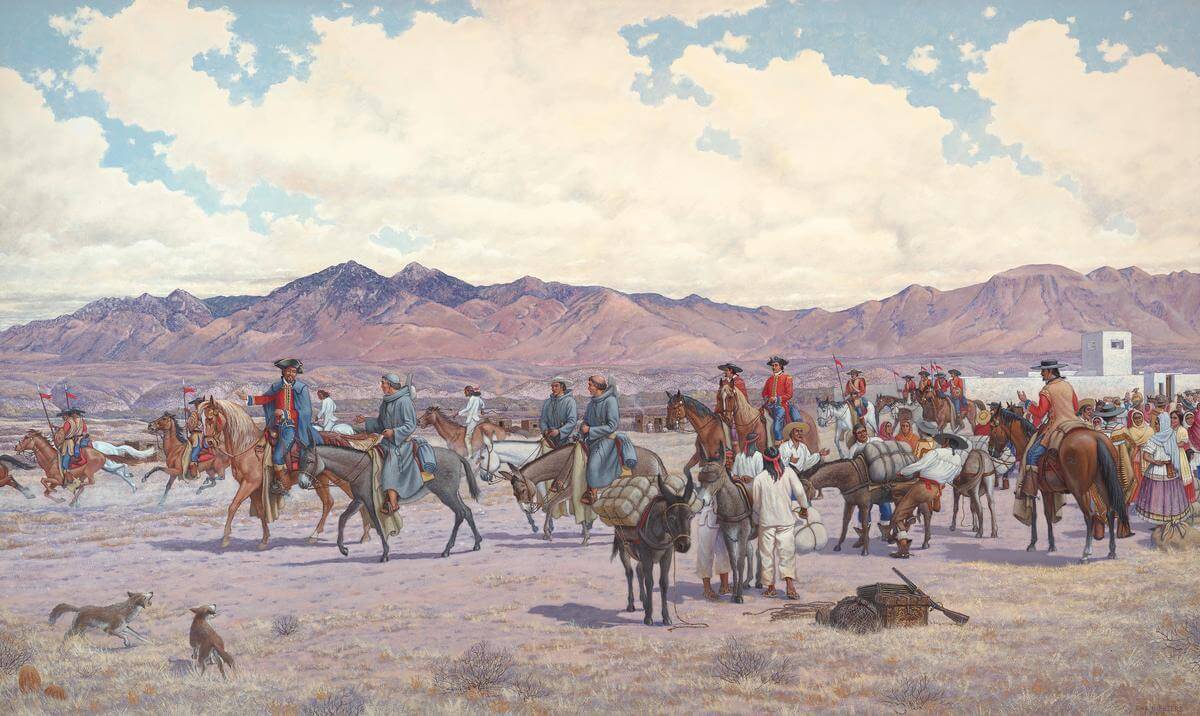
Tracing the Juan Bautista de Anza Trail Through Monterey County
Follow the path of the Juan Bautista de Anza Expedition through Monterey County, where historic missions, scenic parks, and preserved landmarks trace one of California’s most significant early overland routes. From Mission San Carlos Borromeo de Carmelo to the Juan Bautista de Anza National Historic Trail, discover the places that shaped this pivotal journey and continue to connect visitors to the region’s rich past.
Learn More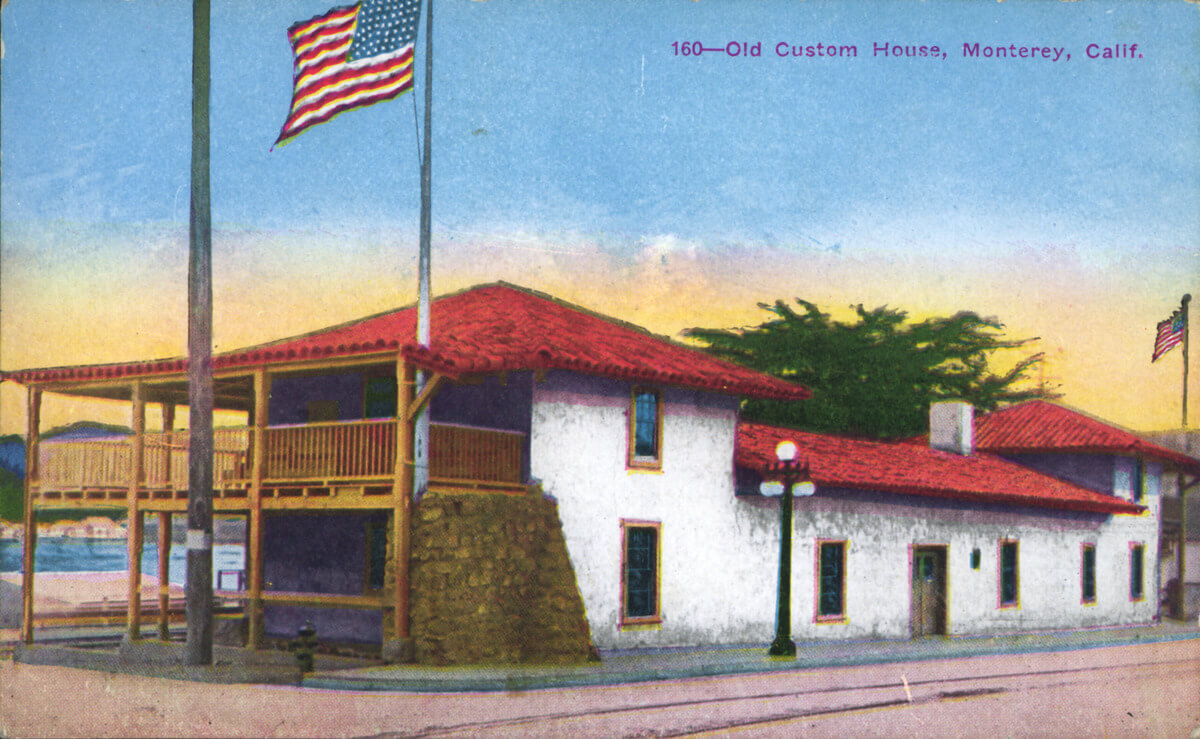
California's First State Landmark: Visit Monterey's Historic Custom House
Step inside California's oldest government building and discover the stories that shaped the Golden State. From Monterey's days as an international port to the historic raising of the U.S. flag in 1846, the Custom House offers a fascinating look at the people, events, and moments that changed California forever.
Jurisdiction: MontereyLearn MoreCalifornia Constitution
More info coming soon
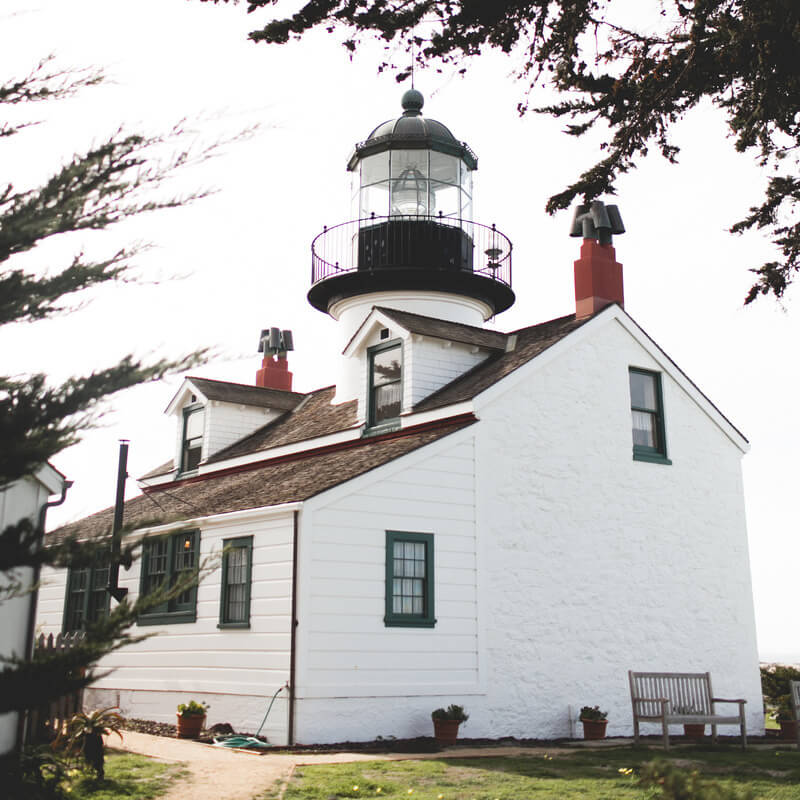
Keepers of the Light: The Women of Point Pinos Lighthouse
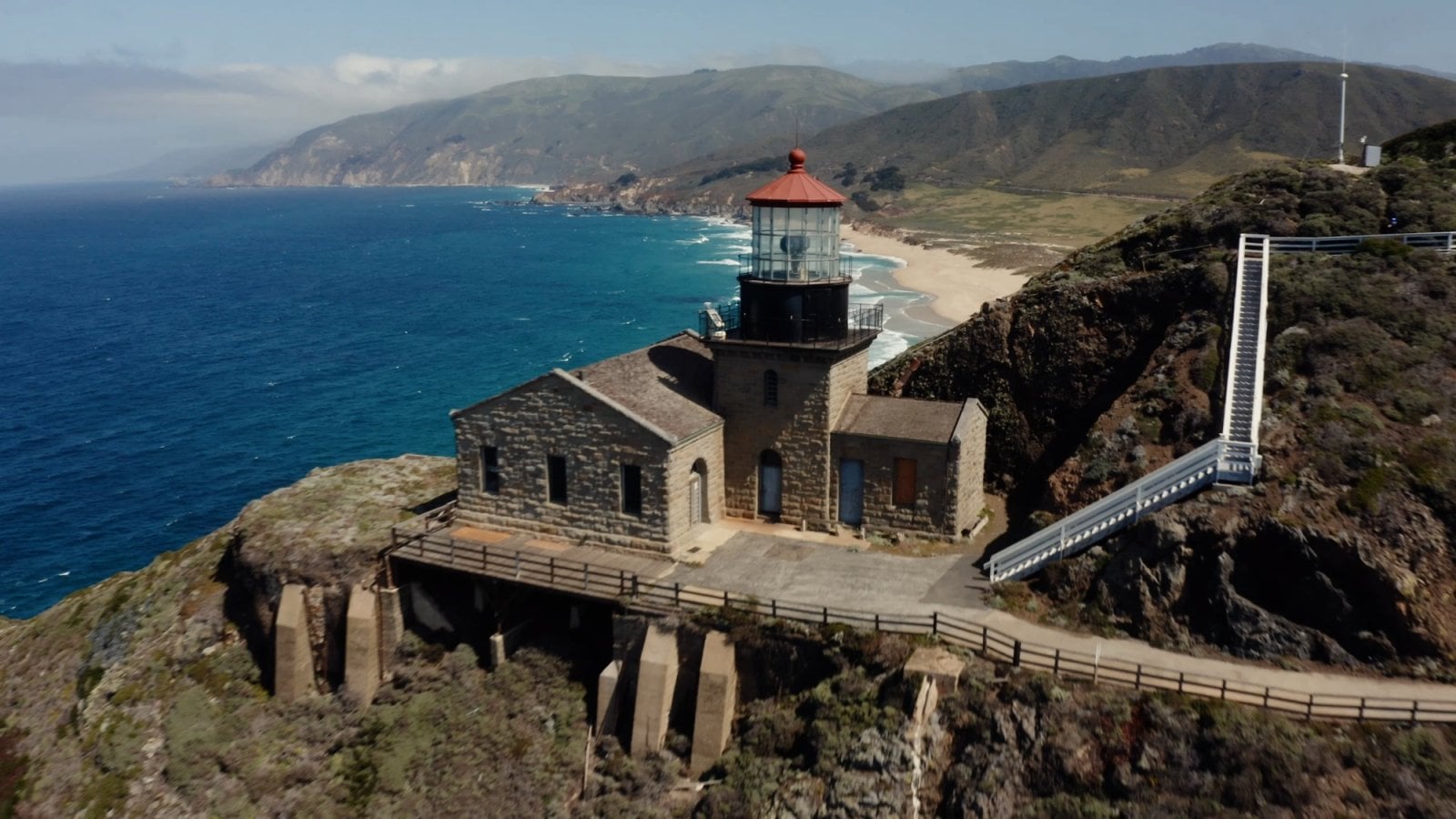
When the Point Pinos Lighthouse became operational in 1855, keeping the remote light lit for passing mariners and tending to the near constant upkeep of the buildings was considered a man’s job. That is until Charlotte Layton took over as Principal Keeper in 1856, following the death of her husband, Charles Layton, who had been the lighthouse’s first keeper.
Jurisdiction: Pacific GroveLearn More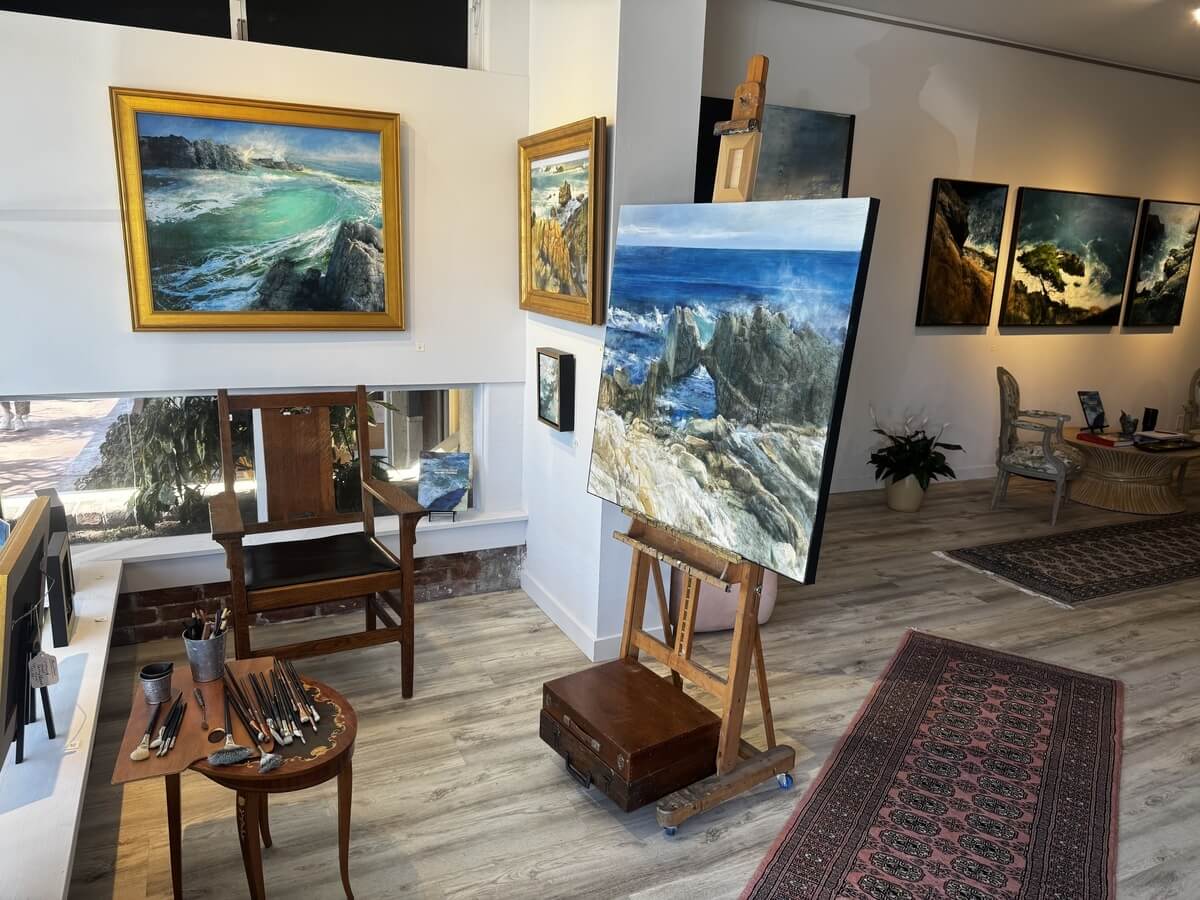
How Artists Shaped the Monterey Peninsula
From the arrival of pioneering painters in the 1870s to the rise of Carmel’s celebrated art colony, artists have helped shape Monterey County's identity for more than a century. Discover how the region’s landscapes, historic architecture, and creative communities inspired a movement that still thrives today.
Jurisdiction: Monterey, Carmel-by-the-SeaLearn More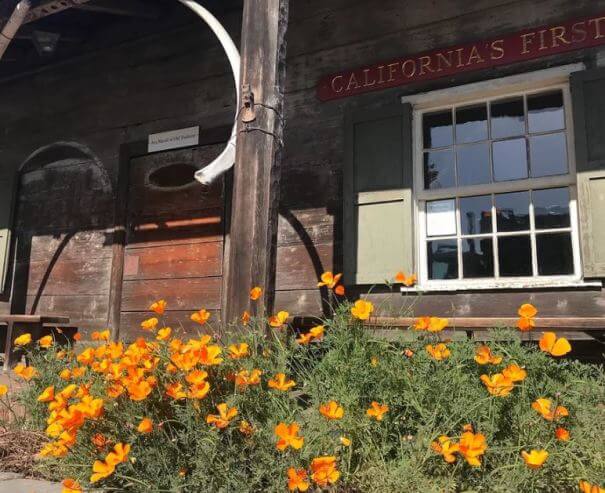
The History of Hospitality on the Monterey Peninsula
The Monterey Peninsula’s hospitality history spans more than 250 years, evolving from California’s 1769 mission trail into a world-renowned tourism destination. From early inns and Monterey’s First Theatre to the luxury of Hotel del Monte and the rise and revival of Cannery Row, each era shaped the region’s identity around travel, entertainment, and coastal experiences. Today, landmarks like Pebble Beach and the Monterey Bay Aquarium continue that legacy, making the Peninsula a globally recognized destination for hospitality, culture and events.
Jurisdiction: Monterey, Pebble BeachLearn More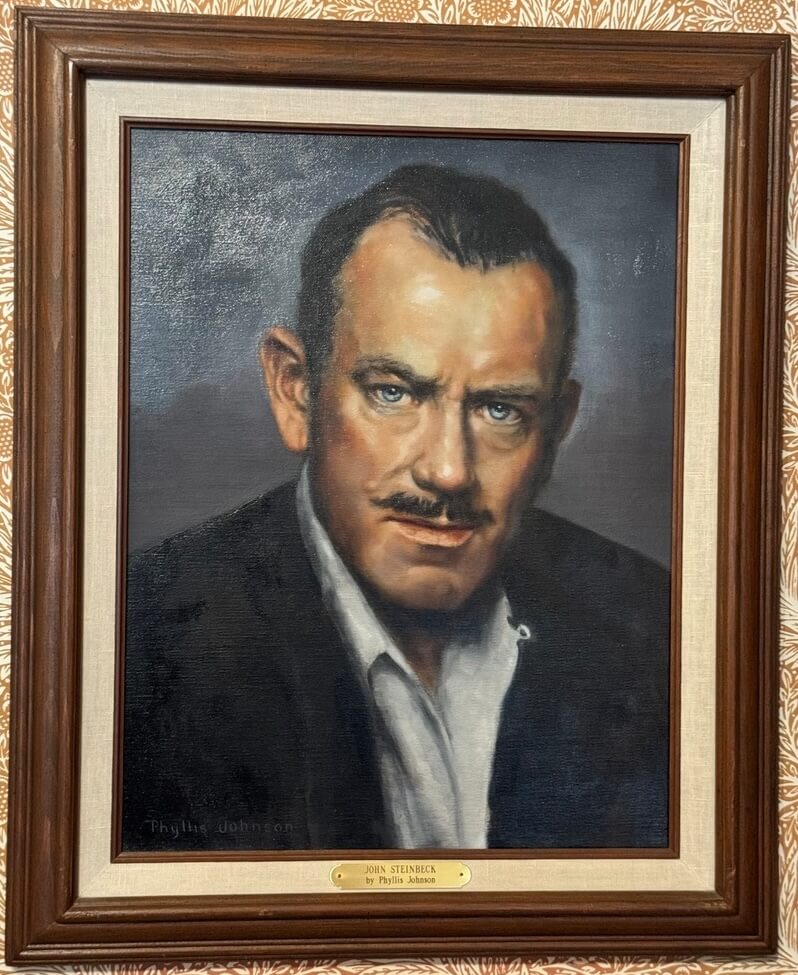
Salinas Born Author, John Steinbeck
John Steinbeck left an enduring imprint on Monterey County by capturing its landscapes, industries and communities in some of the most influential American novels of the 20th century. Born in Salinas, Steinbeck drew heavily from the Salinas Valley and the Monterey waterfront, immortalizing the region in works like Cannery Row and East of Eden. His writing documented the lives of agricultural workers, fishermen and small-town residents, shaping the cultural identity of Monterey County and elevating it to international literary significance. Today, his legacy continues to influence the region’s arts, tourism and historical narrative.
Jurisdiction: Monterey, Salinas, Salinas ValleyLearn More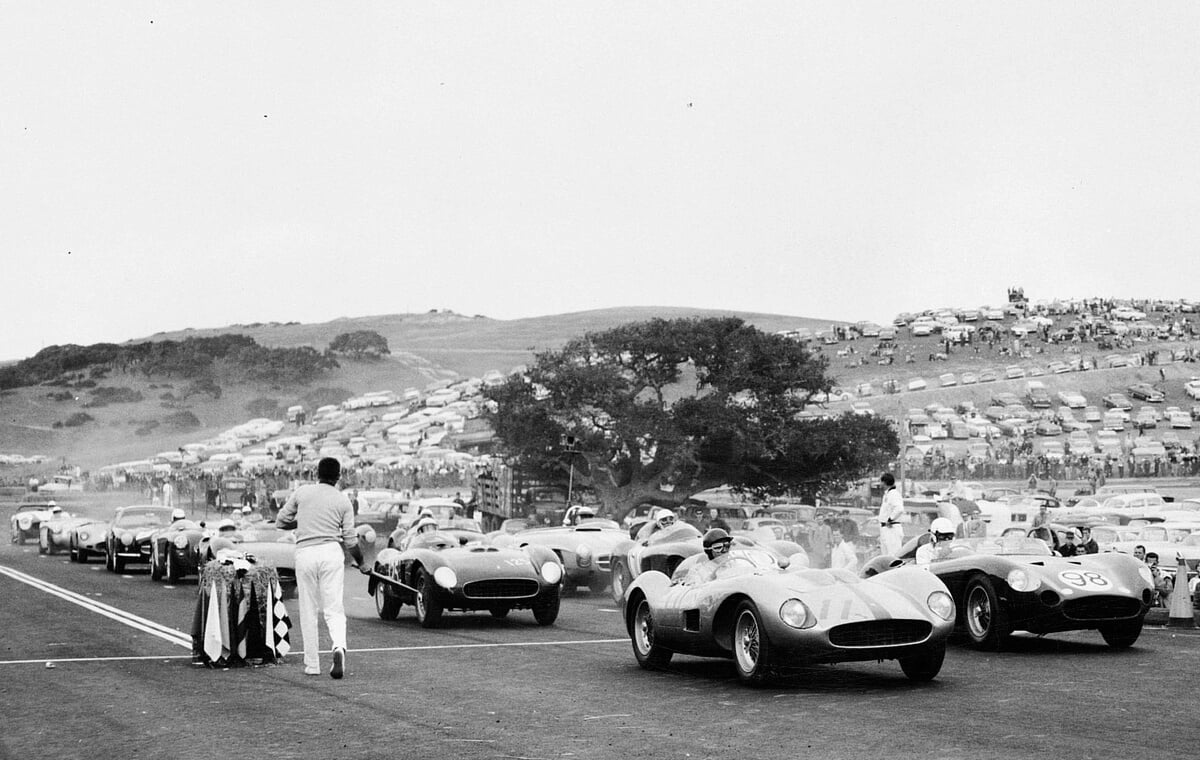
The History of Monterey Car Week: More Than a Century of Automotive Tradition
Discover how Monterey County became one of the world's most celebrated automotive destinations. From the early Del Monte races and the birth of the Pebble Beach Road Races to the creation of WeatherTech Raceway Laguna Seca and today's internationally renowned Monterey Car Week, explore the people, places and pivotal moments that shaped more than a century of automotive history on California's Central Coast.
Jurisdiction: Monterey, Pebble BeachLearn More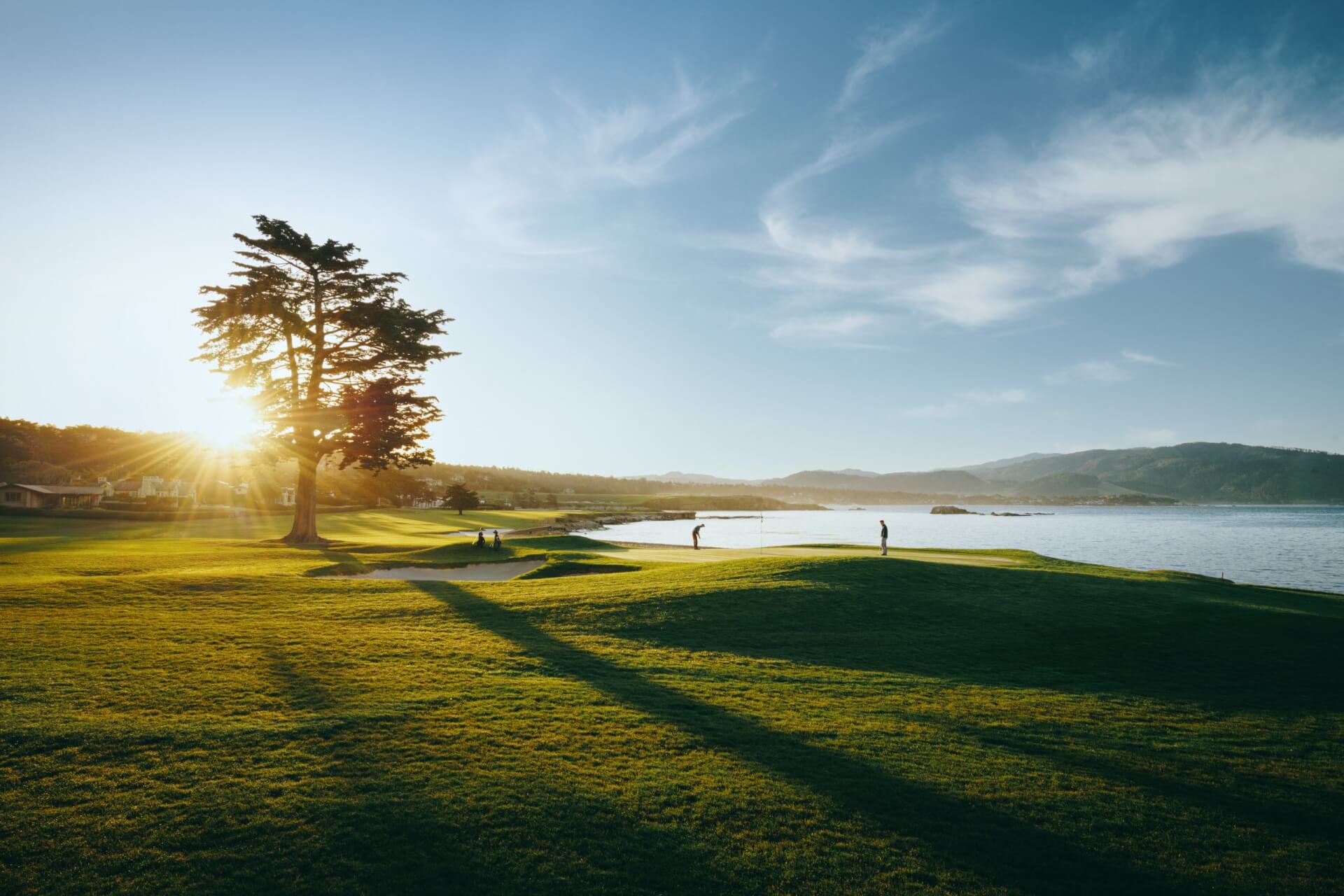
Pebble Beach Golf Links Opens
S.F.B. Morse had the novel idea to increase interest in lots that had trouble selling in the Del Monte Forest and Pebble Beach lots. He proposed building a golf course—maintained by grazing sheep and designed by amateur golfers—to keep costs low while elevating the land’s appeal.
Jurisdiction: Pebble BeachLearn More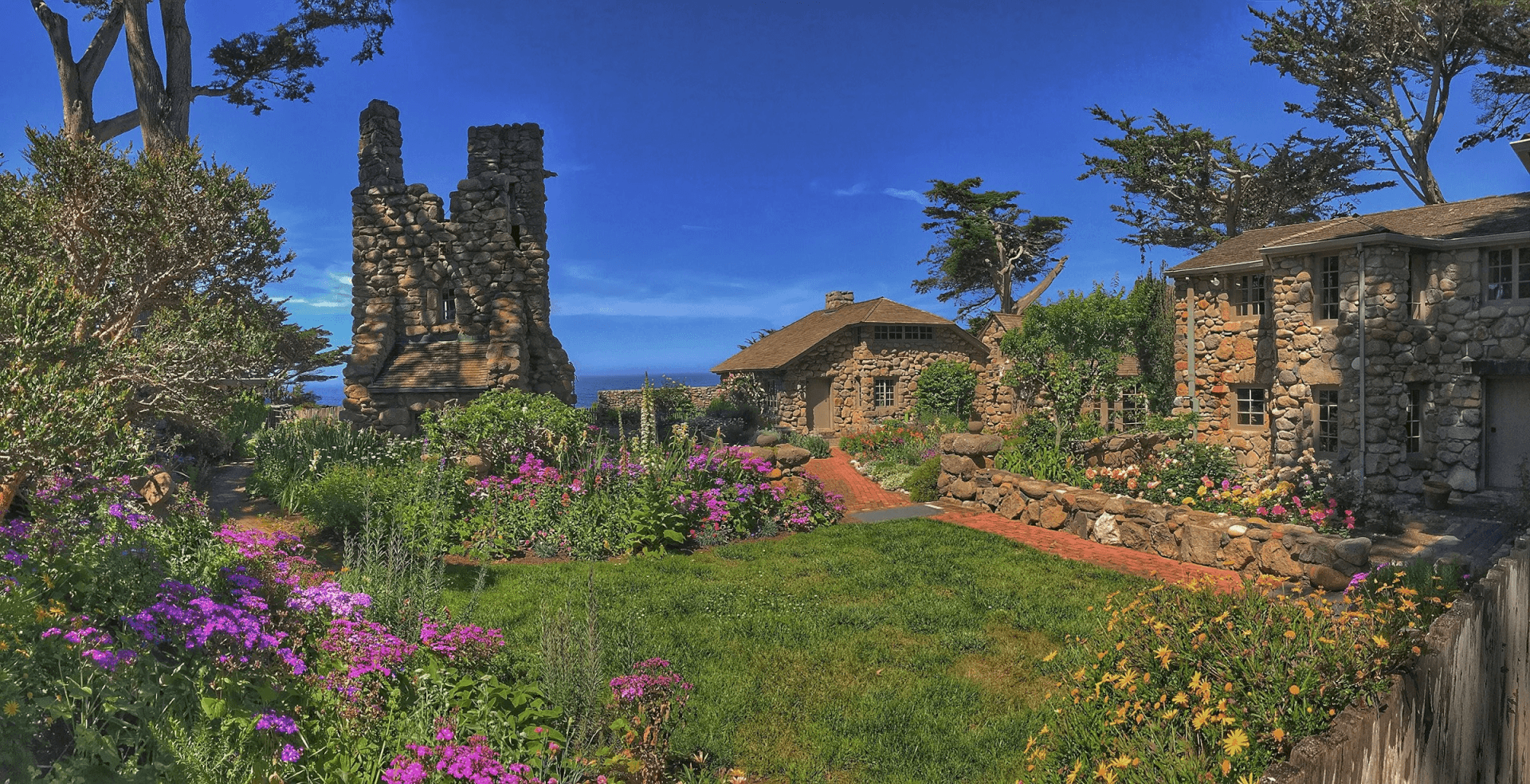
Robinson Jeffers Finds His “Inevitable Place”
Discover the story of Robinson Jeffers and Tor House, the Carmel home and Hawk Tower he built by hand along the coast he called his “inevitable place.” From the stonework that shaped his home to the poems inspired by Carmel’s rugged landscape, Jeffers’ life and work remain deeply connected to Monterey County’s literary history.
Jurisdiction: Carmel-by-the-SeaLearn More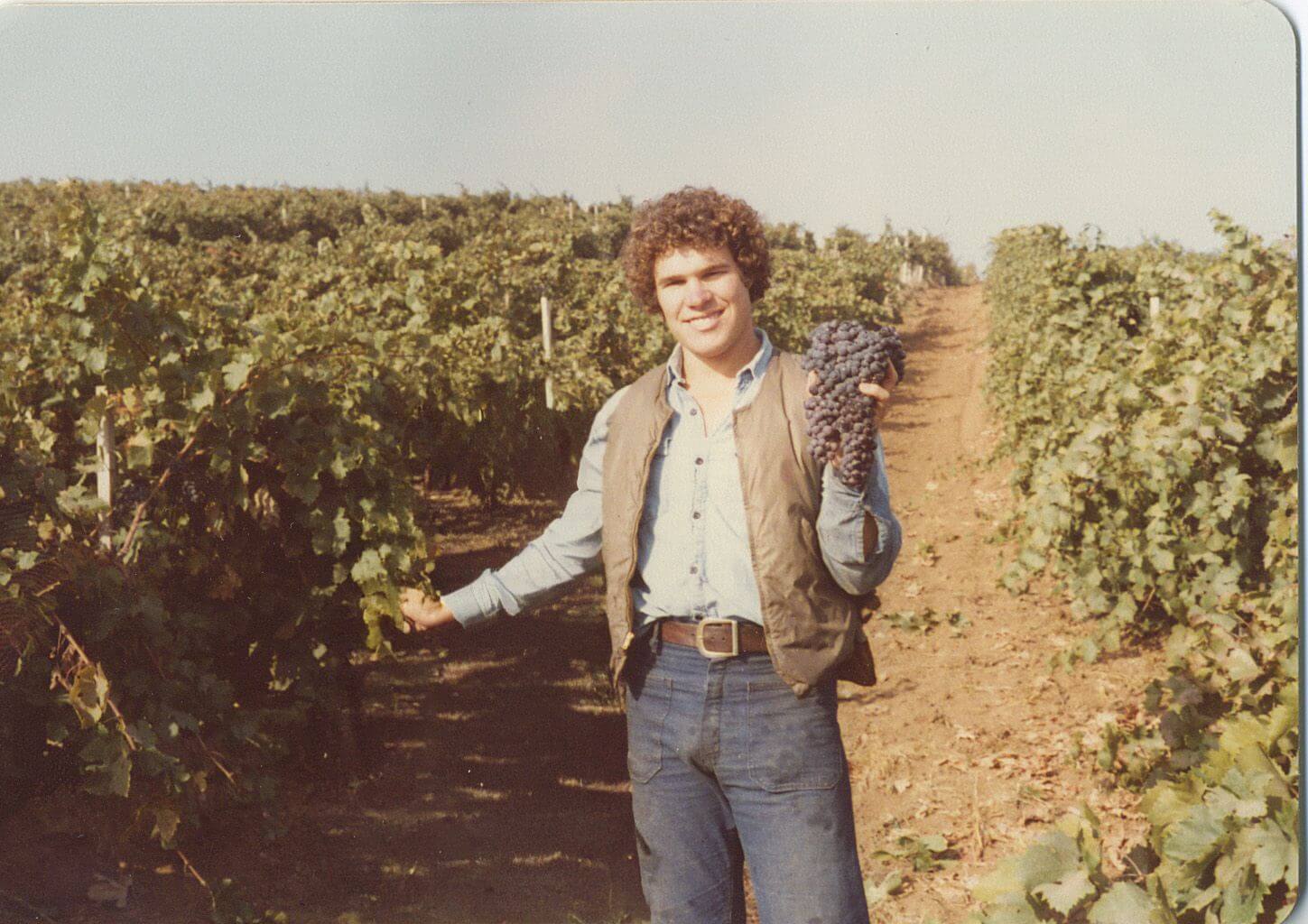
The Roots of Monterey County Wine
From early mission vineyards to world-renowned Chardonnay and Pinot Noir, discover how generations of growers transformed Monterey County into one of California’s diverse wine regions.
Jurisdiction: Carmel Valley, Salinas ValleyLearn More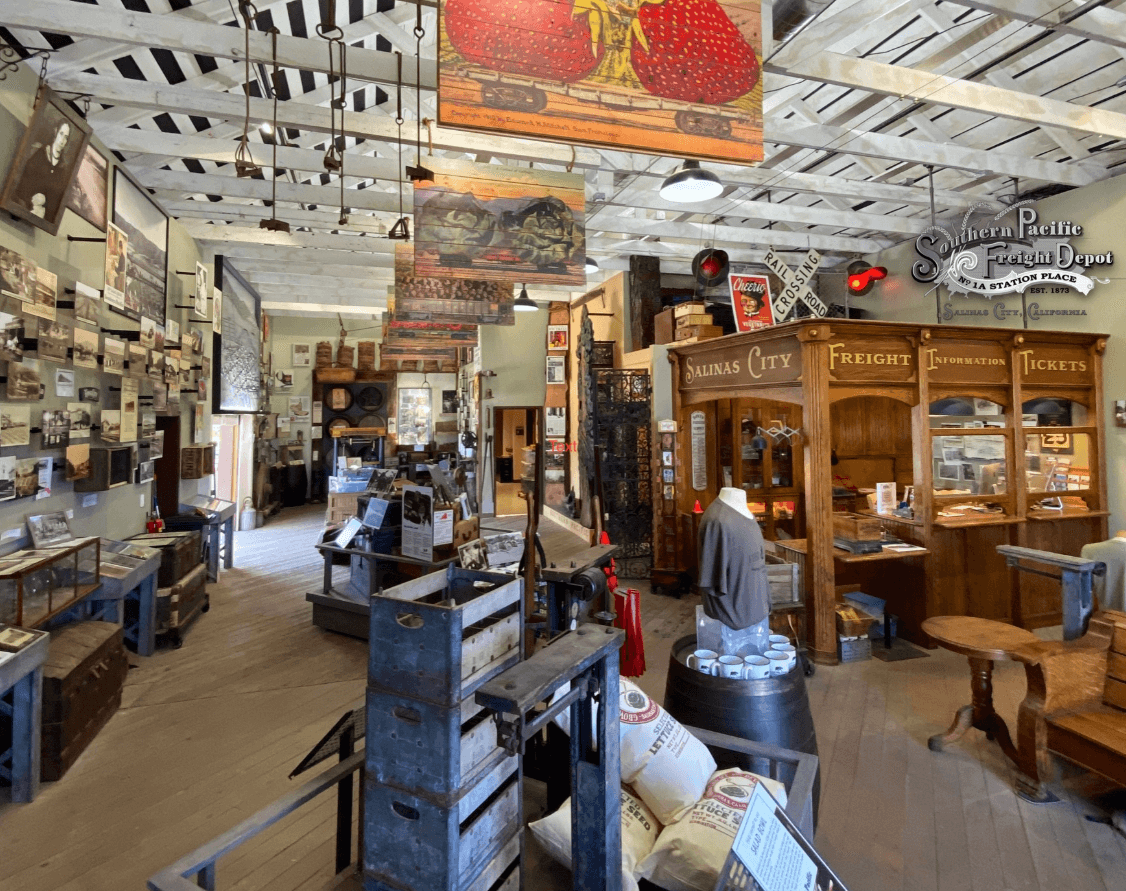
Salad Bowl of the World + Southern Pacific Railroad
More info coming soon
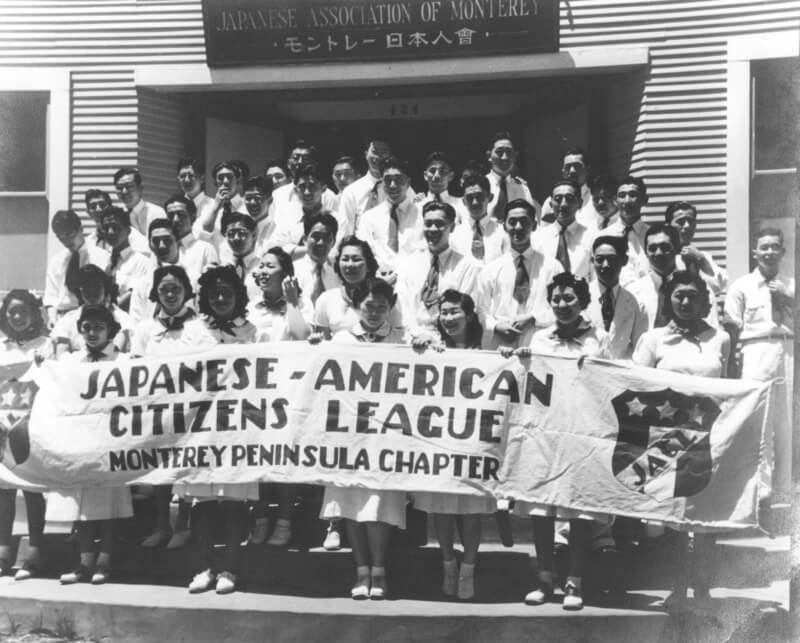
The Opening of Monterey’s Historic Japanese American Community Hall
For 100 years, Monterey’s historic Japanese American Citizens League building has stood as a symbol of culture, resilience, and community. Through the stories of Larry Oda and Tim Thomas, discover how Japanese immigrants helped shape Cannery Row, the fishing industry, and the cultural identity of the Monterey Peninsula while preserving traditions that continue to influence the region today.
Jurisdiction: Monterey, CarmelLearn More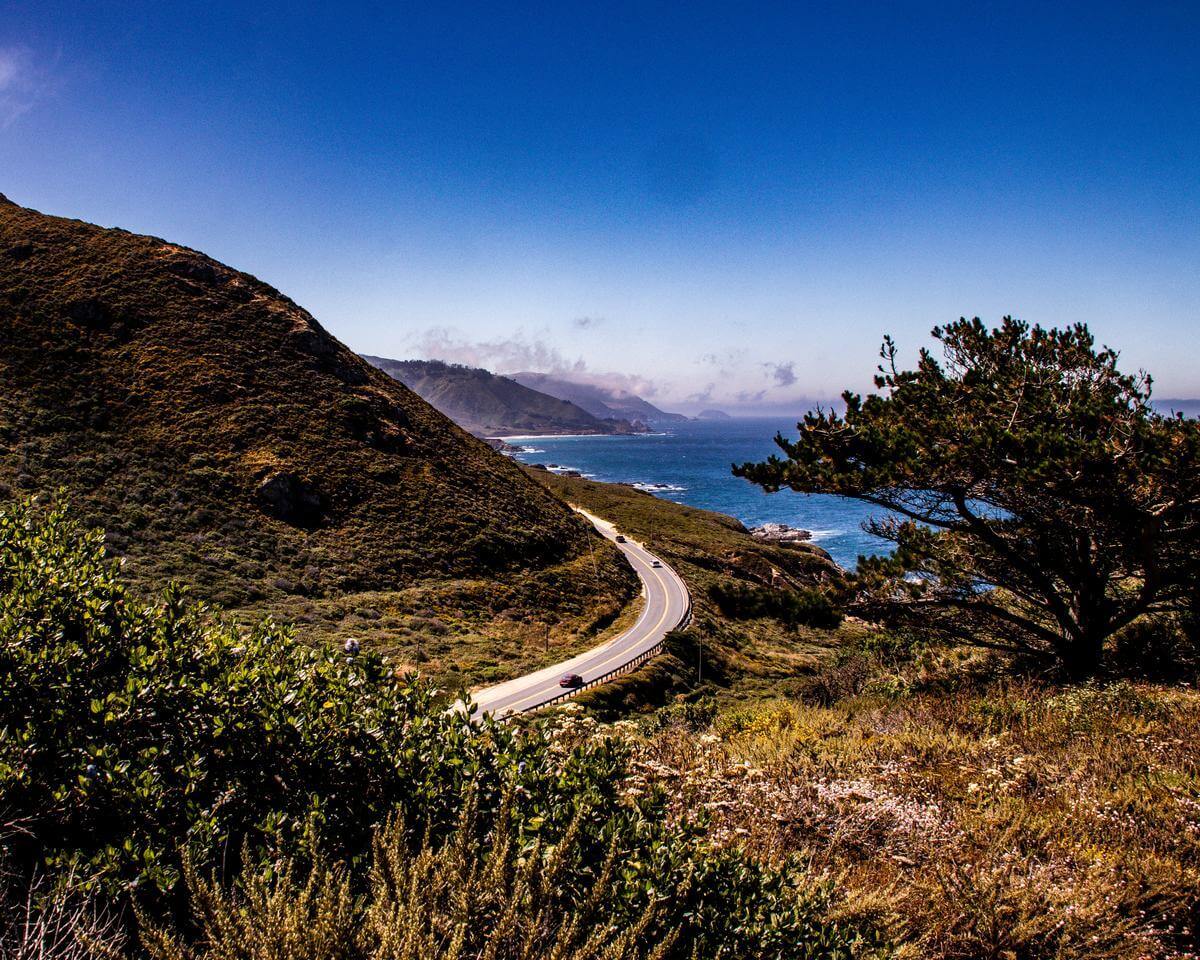
The Story Behind California's Highway 1
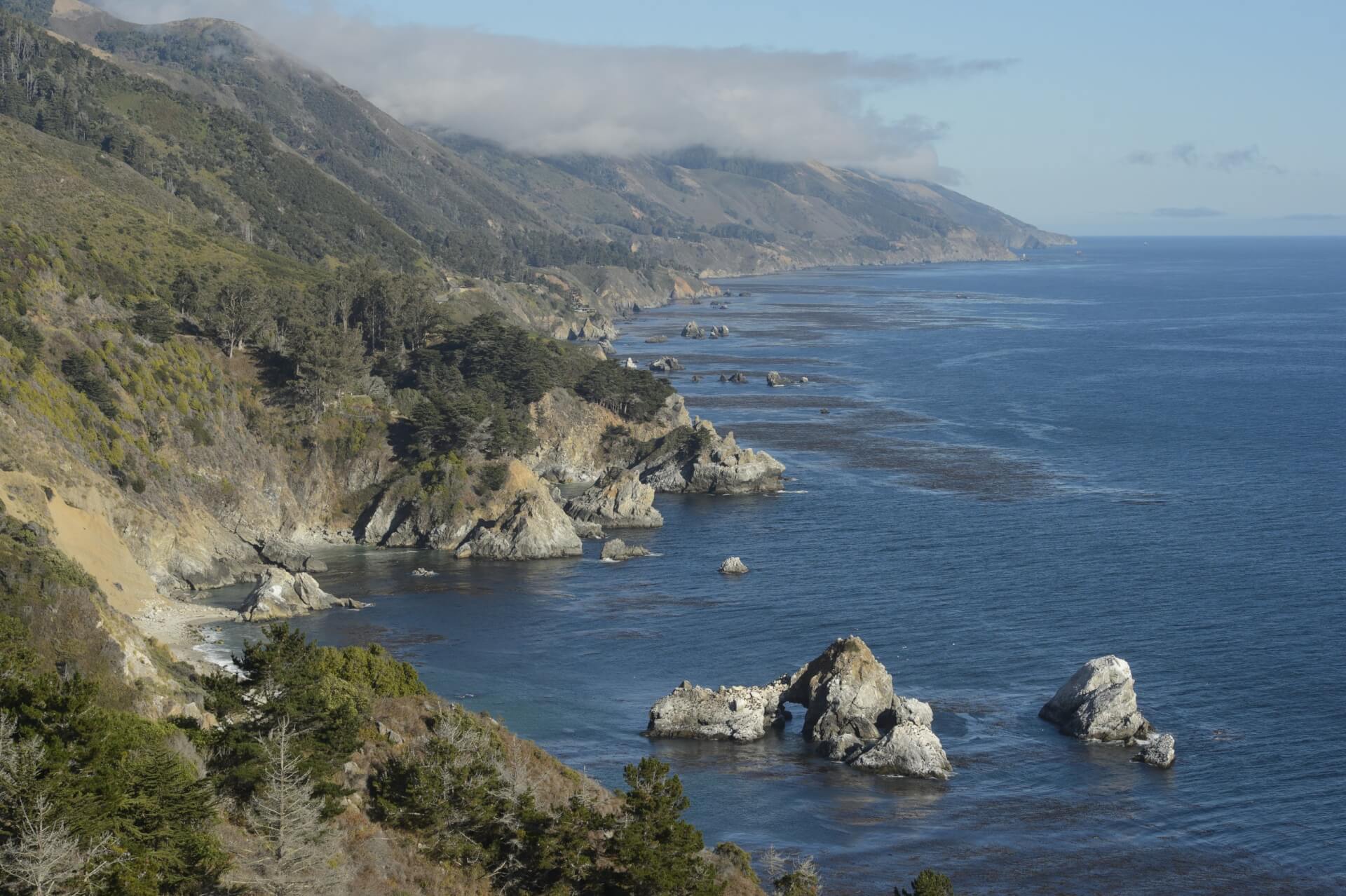
xplore the history of California’s Highway 1 through Monterey County and Big Sur, from its origins after the 1894 Point Sur shipwreck to the construction of iconic landmarks like Bixby Bridge. Discover how this world-famous scenic highway became one of the most breathtaking coastal drives in the United States, featuring McWay Falls, Nepenthe, California condors, and hidden Big Sur attractions.
Learn More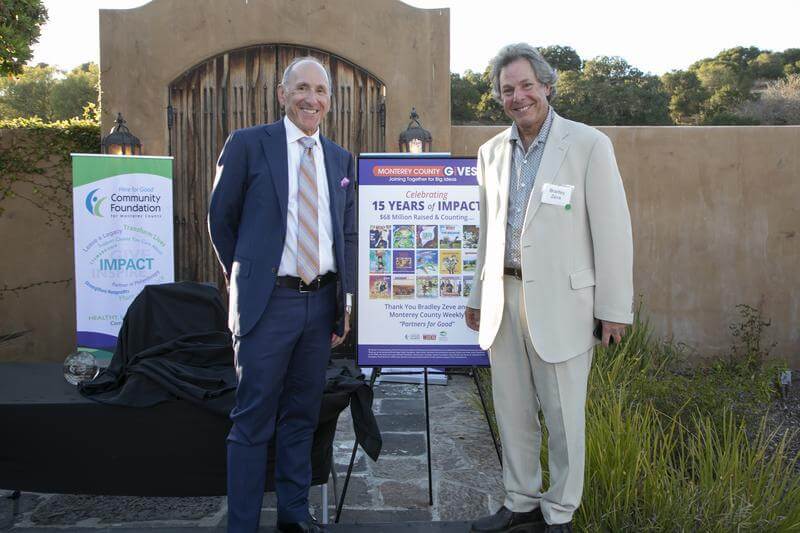
How Philanthropy Helped Shape Monterey County
Philanthropy has played an important role in shaping Monterey County, from the founding of the Monterey Foundation in 1945 to the cultural institutions, community organizations and events supported by charitable giving today. Dan Baldwin of the Community Foundation for Monterey County explores the region’s tradition of giving back and the lasting impact philanthropy has had on the people, places and experiences that make Monterey County distinctive.
Jurisdiction: Monterey, Carmel-by-the-Sea, Pebble BeachLearn More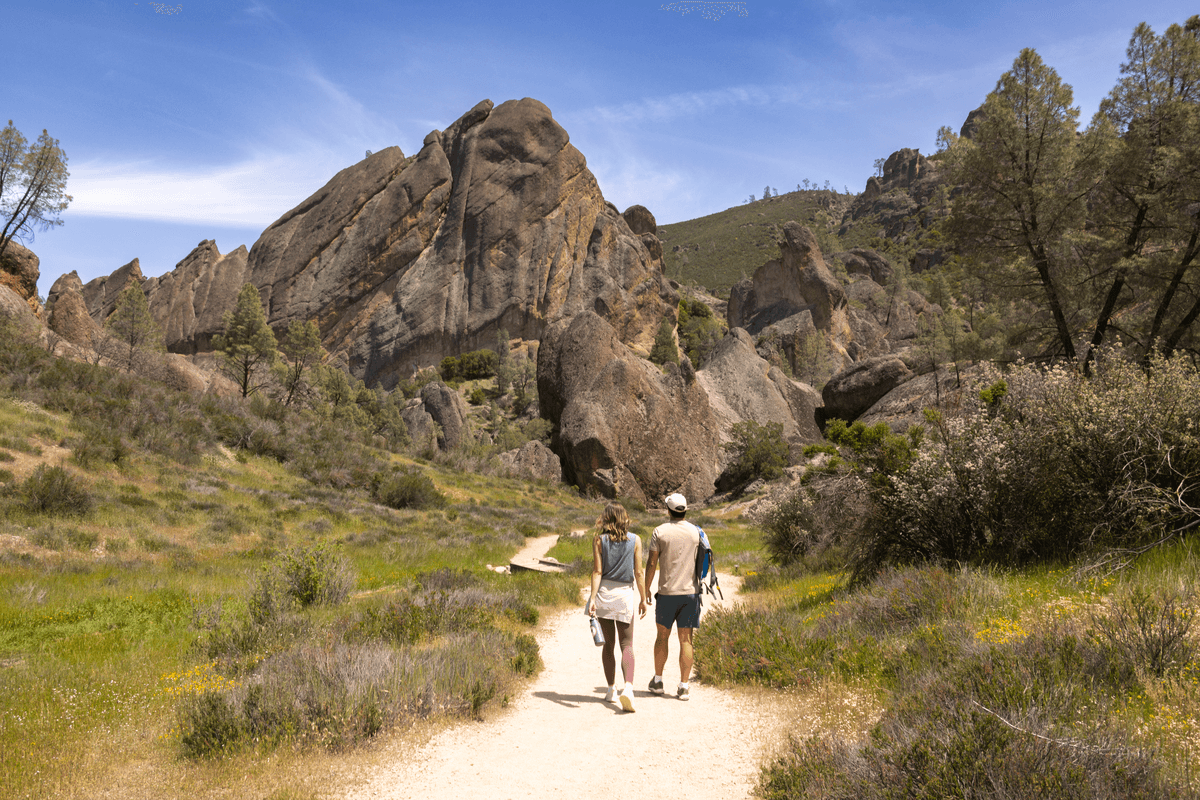
Pinnacles National Park Becomes California's Newest National Park
Explore the unique geology, history and biodiversity of Pinnacles National Park, where volcanic rock formations shaped by the San Andreas Fault create a dramatic wilderness landscape. Home to more than 460 species of bees and a key site for California condor recovery, the park offers scenic hiking, wildlife viewing and a quieter wilderness experience just beyond Monterey County’s coast. Designated a national monument by President Theodore Roosevelt in 1908, Pinnacles became California’s newest national park in 2013. Today, discover what makes this distinctive landscape worth exploring from the Monterey side.
Jurisdiction: SoledadLearn More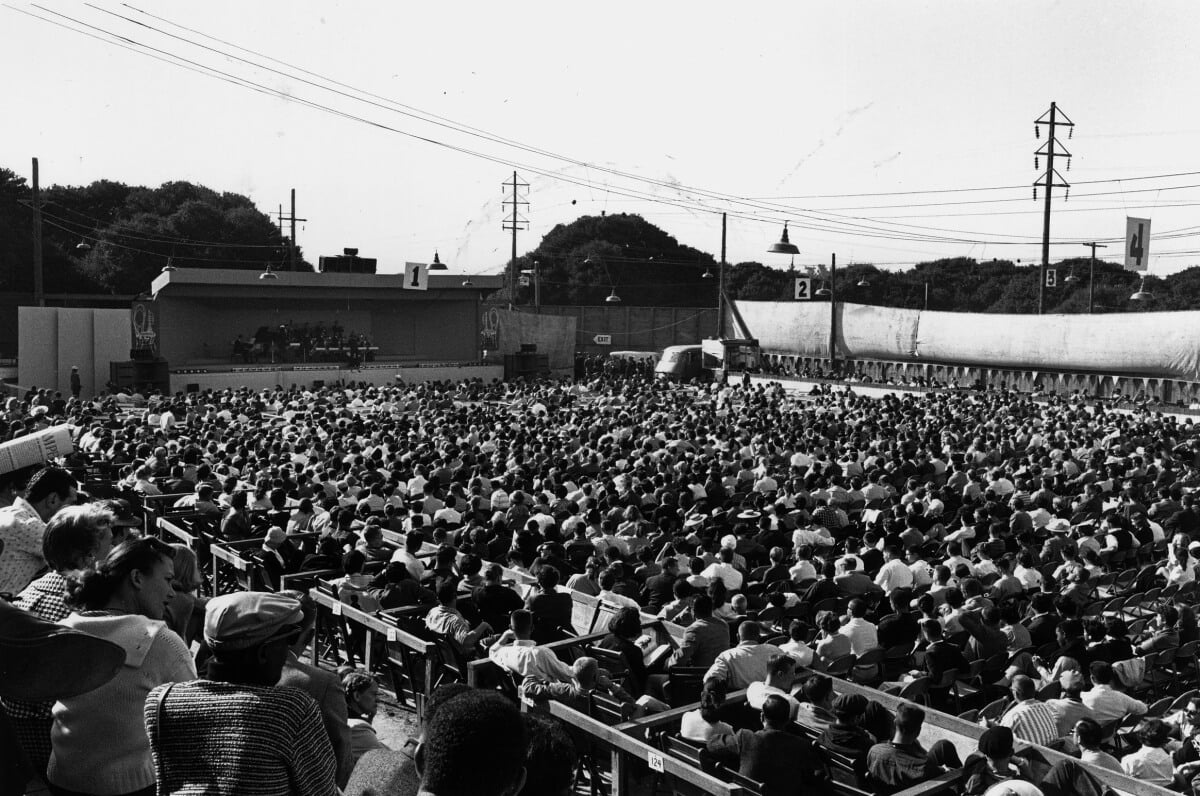
Monterey Music History: Jazz, Rock & Legendary Festivals
The Monterey Jazz Festival’s 1958 debut brought Louis Armstrong, Dizzy Gillespie, Dave Brubeck and Billie Holiday to the Monterey County Fairgrounds, building on a growing jazz audience at Carmel’s Sunset Center. The festival’s success would help set the stage for Monterey Pop in 1967 and a legacy of landmark music festivals across the county.
Jurisdiction: Monterey, Carmel-by-the-SeaLearn More
Brian Edwards, Monterey 1000 Expert
Brian Edwards is the Library & Museums Director for the City of Monterey. He focuses on preserving and sharing Monterey County's cultural and historic resources for people today. Brian lends his expertise and sources all the experts consulted for the Monterey 1000 project.
Brian serves on the board of the Monterey State Historic Park Association and promotes events and information for early California. He has a background in studio art, storytelling, research and information sharing. He loves to share stories with residents and visitors throughout Monterey County.
Got feedback, comments, or questions about Monterey 1000? Let us know!